
Verify the source
Check where the software comes from and avoid installers sent through unknown messages. Independently inspect the domain and device warnings.
Explore the guideExplore wallet ownership, recovery phrase backup, multi-chain asset views, and pre-transaction checks—without losing sight of your security responsibilities.
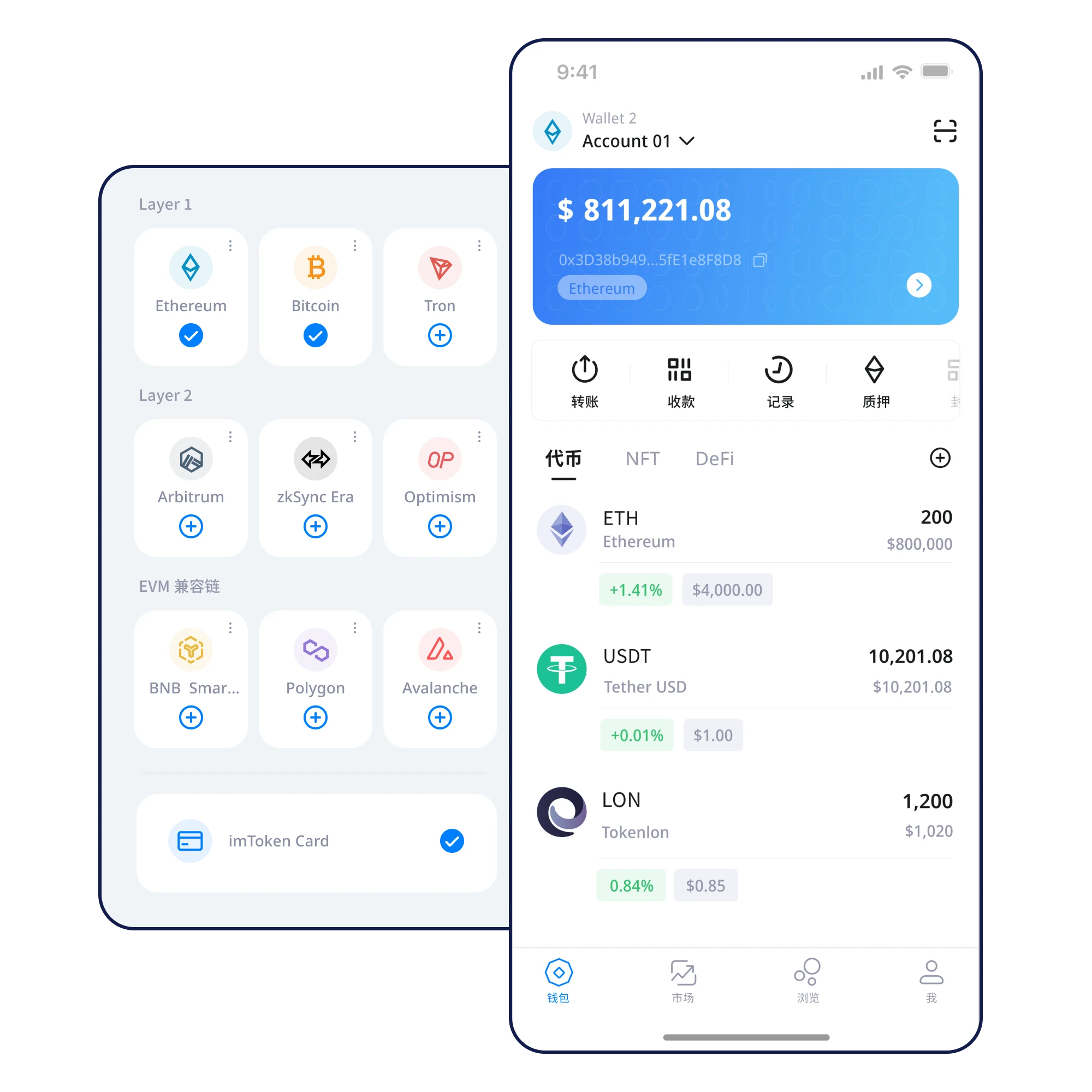
A sample wallet view brings assets, networks, and security cues into one readable surface. All displayed amounts are illustrative only.
A structured sequence helps you avoid skipping essential checks.
Check where the software comes from and avoid installers sent through unknown messages. Independently inspect the domain and device warnings.
Explore the guideUse a trusted device. Understand the difference between a new wallet and importing existing recovery credentials.
Explore the guideWrite every word in order in a private place. Never save the phrase as a screenshot or in a connected note.
Explore the guideDouble-check the sequence and keep the recovery record separate from the device used to access the wallet.
Explore the guideIdentify the chain for each token, and distinguish an interface illustration from your actual balances.
Explore the guideVerify the network, recipient address, token, amount, and expected fee before approving a transfer.
Explore the guideUnderstand the responsibility that comes with controlling recovery credentials. Keep the device secure and store backup words offline.
Read the guide
Prepare a recovery path before changing devices or transferring assets. A screen lock is not a recovery phrase.
Read the guide
Check the chain, full destination address, token, and amount before signing. Pause when a request is unfamiliar.
Read the guide
Keep recovery credentials under your control.
Review the chain, address, and value before signing.
Set up an offline recovery plan before you need it.
Choose a focused guide for setup, networks, recovery, or safer approvals.
Learn the order of operations for setting up a wallet, protecting access, recording recovery details, and reviewing the initial asset view.
Explore the guideLearn to read asset balances across networks, distinguish token identities, and keep sample portfolio views separate from live holdings.
Explore the guideCheck the receiving network, destination address, token, amount, and fees before approving a transfer.
Explore the guidePlan a safer device transition: confirm offline backups, restore carefully, verify networks, and retire the old device responsibly.
Explore the guide
Recognize impersonation, deceptive links, signature requests, and pressure tactics before connecting or approving anything.
Explore the guideImpersonation, leaked recovery words, wrong networks, and copied addresses can all lead to irreversible mistakes.
Read the guideThis site explains self-custody principles. Actual control depends on the specific software and key-handling model you use.
Installing software and viewing on-chain activity usually need a connection. Keeping an offline recovery record does not.
Use a dependable offline medium, not screenshots, cloud notes, email, or chat. Plan for both loss and unauthorized access.
A private key controls specific credentials; a recovery phrase typically rebuilds wallet keys. Both are sensitive.
Verify the source, prepare an offline backup, and review each transaction carefully.
⬇ Download Now